Glow Plug Light: What It Means and What to Do When It Flashes
- Written by
- Diesel Glow Plug Editorial Team
- Reviewer
- Diesel Glow Plug Editorial Team
- Review date
- First published
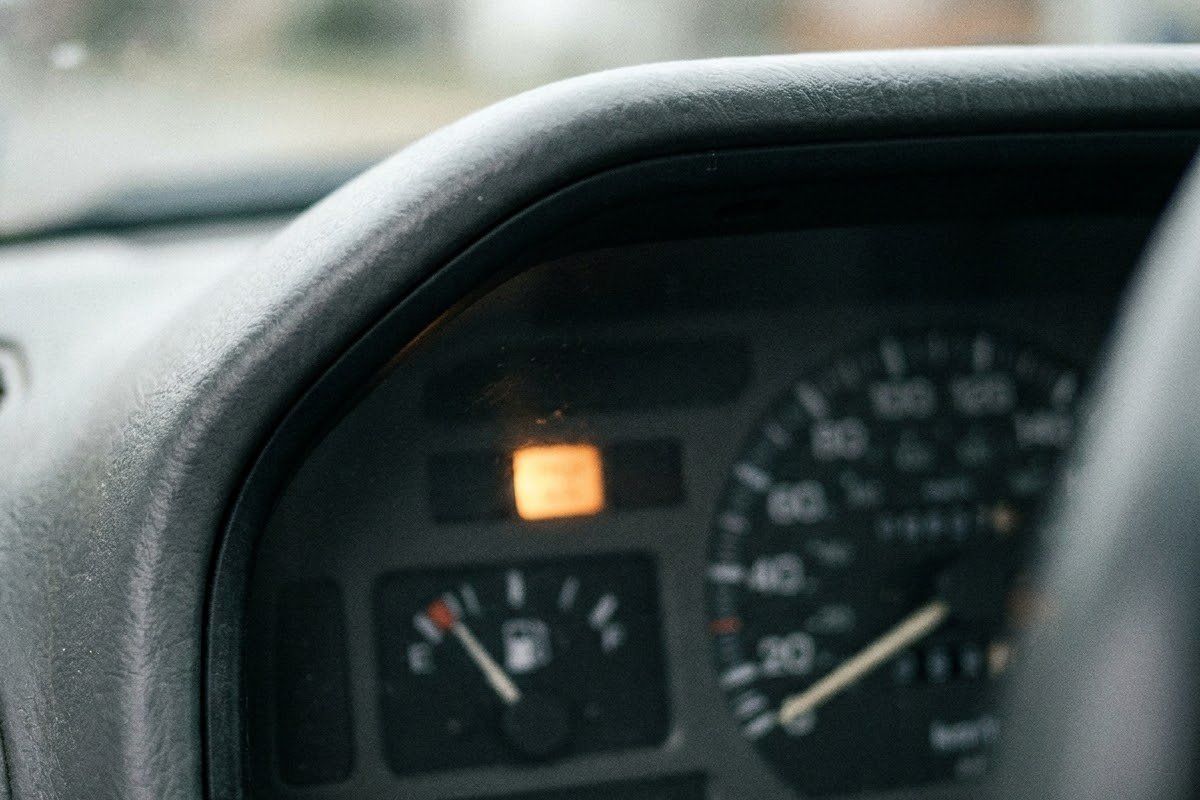
The glow plug light, often called the wait-to-start light, tells you the engine is pre-heating. Lit briefly with the key on, then going out, it is normal. If it flashes, stays on after the engine starts, or does not light when the engine is cold, the system may have a fault. Your owner's manual defines your symbol and what flashing means.
This is part of: Diesel Glow Plugs: What They Do, Failure Signs and Replacement
The glow plug light is the dashboard indicator for a diesel’s pre-heat system. It is one part of the wider glow plug system, and this page helps you tell normal from not normal. Because every maker uses its own symbols and rules, your owner’s manual comes first.
Short answer: normal wait-to-start versus fault
A light that comes on with the key and goes out before you start is normal pre-heating. Ford’s 7.3L supplement says the WAIT TO START light illuminates if glow plug heat is necessary as a starting aid, tells you to wait until it goes off before starting, and says it should remain off after the engine starts. A light that flashes, stays on or never lights points to something worth checking.
Reading the dash symbol
Look up the symbol in your manual’s warning-light chapter rather than relying on a general description. Different makers, including Volkswagen, Ford and others, use their own symbols, colors and flash patterns, and this site does not catalog them. If the symbol or message is unfamiliar, the manual’s index entry for “glow plug” or “preheat” is the fastest route.
Steady, flashing, stays on
Each state means something different, and the manual defines it for your vehicle.
- Steady, then off. Normal pre-heat. Wait for it to go out, then start. Do not crank for more than 30 seconds at a time, Ford says, and wait 30 seconds between tries.
- Flashing. NGK says a pre-glow control light that is on or flashing (and, in certain models, the MIL lamp is also on) means a workshop will need to test the plugs. Treat a flash with any other warning message as a reason to stop and call a technician.
- Stays on after start. Ford’s supplement says the light should remain off after the engine starts. A light that stays lit points to a fault in the system or in the vehicle’s controls.
- Never lights when cold. Ford says the light should always illuminate at least momentarily with the engine cold and key ON; if not, the glow plug system should be checked and repaired promptly.
Ford’s diagnostic summary for the 7.3L also shows that glow plug faults do not always turn on the check-engine light: glow plug diagnostics do not set it on Federal trucks over 8,500 lb. A dark check-engine light does not rule out a glow plug problem.
What to check first
Start with things that are safe and documented. First, read the manual page for the symbol. Second, note exactly when the light behaves oddly: cold only, after warm-up, or always. Third, check the battery condition per your manual. Fourth, if you can read fault codes, record them; Ford’s 7.3L summary for its California-calibrated system lists separate codes for each glow plug circuit and for the wait-to-start lamp circuit.
Then move to testing. The safe approach and its limits are in how to test glow plugs, and a helper for comparing a measured value to your manual’s number is the glow plug resistance check. Relay faults are another cause on some trucks; see the 7.3 Powerstroke glow plug relay page for one example.
When to stop driving and see a shop
Warning
Stop and see a qualified technician if the light flashes together with other warnings or messages, if the engine hunts, smokes heavily or loses power, if you smell fuel, or if the engine cranks for long periods without starting. Bosch warns that excessive cranking can dilute engine oil with fuel.
Nothing here is a diagnosis of your vehicle. It is general information to help you read your manual and ask better questions.
Answers to common questions
Why is the glow plug light flashing?
Makers use flashing for different things, so your manual is the authority. NGK says that if a pre-glow control light is on or flashing (and in certain models the MIL lamp is also on), a workshop will need to test the glow plugs. A flashing light with other warning messages means stop driving and see a qualified technician rather than guessing.
Can I drive with the glow light on?
If it is the normal wait-to-start light and it goes out, you can start the engine. If it stays lit or flashes after starting, the manual's guidance applies. Ford's 7.3L supplement says the light should remain off after the engine starts. Because causes include plugs, relay, wiring and control faults, have it diagnosed rather than relying on repeated cold starts.
Why does it stay on after start?
On the system Ford describes for the 7.3L, the light should stay off once the engine starts, so a light that stays on points to a fault the manual or a technician should assess. Some vehicles use the same symbol differently. NGK says a pre-glow control light that is on or flashing (and in certain models the MIL lamp is also on) calls for a workshop to test the plugs.
What if the light never comes on?
With a cold engine and the key on, Ford says the 7.3L WAIT TO START light should always illuminate at least momentarily, and that if it does not, the glow plug system should be checked and repaired promptly to avoid cold-start trouble. A missing light can also mean a lamp or circuit fault, so a technician should confirm.
Is the glow plug light the same as the check engine light?
No. The glow plug or wait-to-start light is part of the pre-heat system. The check engine light covers wider engine and emissions faults. NGK says that on certain models the MIL lamp is also on when the pre-glow light is on or flashing, while Ford says its 7.3L glow plug diagnostics do not set that light on Federal trucks over 8,500 lb.
Sources
- Ford: 7.3L Power Stroke Diesel Supplement to the Owner Guide (2000)fordservicecontent.com
- Ford: 2000 MY OBD System Operation Summary for 7.3L Diesel Enginefordservicecontent.com
- Bosch Auto Parts (US): Glow Plugs, technical information and FAQboschautoparts.com
Worth reading next
- Diesel Glow Plugs: What They Do, Failure Signs and Replacement
Diesel glow plugs explained: what a glow plug does, how the wait-to-start sequence works, failure signs, testing and when replacement belongs to a shop.
- 7.3 Powerstroke Glow Plug Relay: Function, Failure Signs, Testing
What the 7.3 Powerstroke glow plug relay does, how its failure can look, and the safe order for checking it before replacing glow plugs or parts.
- 7.3 Powerstroke Glow Plugs: Overview and Replacement Notes
7.3 Powerstroke glow plugs: how Ford describes the system, the wait-to-start light, testing and replacement cautions, and where to confirm fitment.
- Glow Plug Replacement Cost: What Drives the Price
What drives glow plug replacement cost: plug count, engine access, seized plugs and labor. Learn how to get a quote, with no price claims here.
- How to Test Glow Plugs: Safe Methods and Readings
How to test glow plugs safely: the safety rules, what a resistance check can tell you, other causes to rule out, and when to hand it to a technician.
- What Does a Glow Plug Do?
What does a glow plug do? It pre-heats a diesel's combustion chamber for cold starts. See the key-on to afterglow sequence and why gas engines skip it.