Gas in a Diesel Engine: What Happens and What to Do
- Written by
- Diesel Glow Plug Editorial Team
- Reviewer
- Diesel Glow Plug Editorial Team
- Review date
- First published
If you put gasoline in a diesel tank, do not start the engine. One manufacturer's manual says so directly and warns that restarting risks damage to the engine and fuel system, and a Volkswagen bulletin filed with NHTSA says gasoline contamination can lead to costly repairs. Call your dealer or a qualified diesel technician for a tow and service.
Stop first
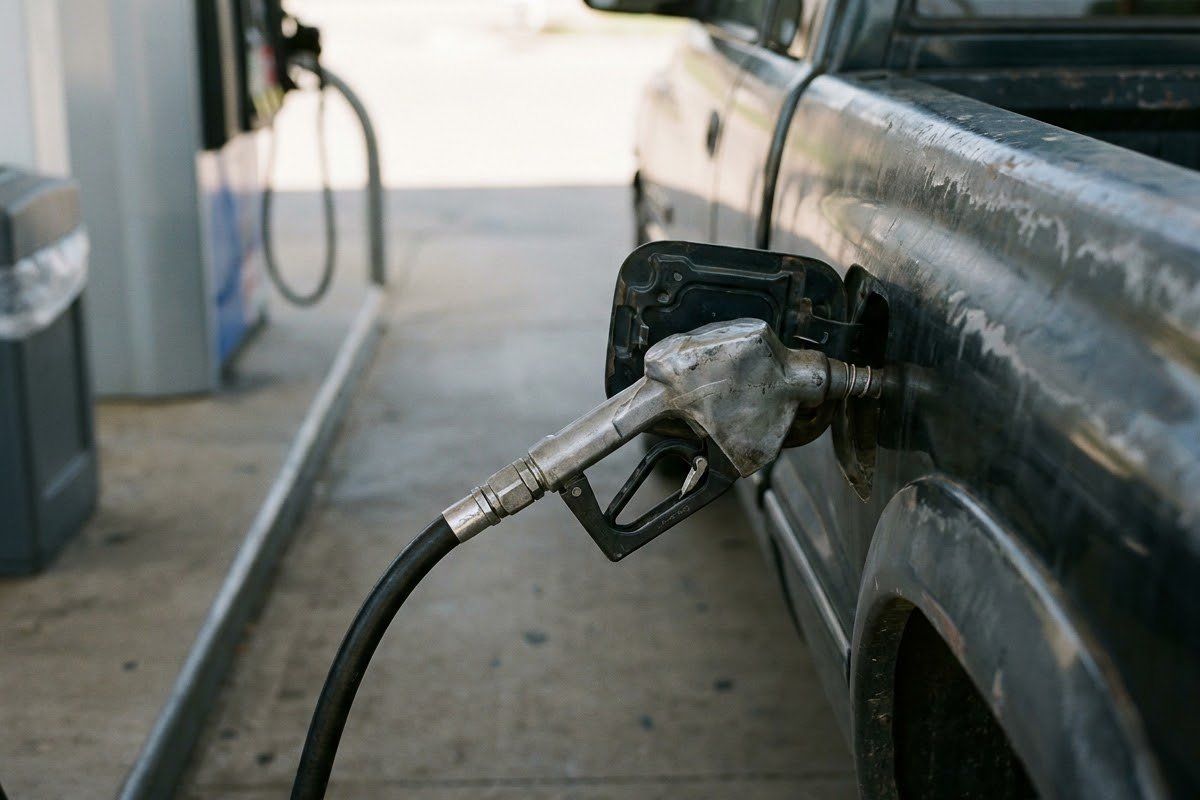
Do not turn the key, do not press the start button, do not drive away. Gasoline is flammable: no flames, sparks or smoking near the vehicle. Do not try to open fuel lines or drain the tank yourself.
This is part of: Diesel Engine Oil: Viscosity, Specs and How to Choose
Gas in a diesel engine is a stop-and-call situation. This page covers only the wrong-fuel event; for oil and general care see the diesel engine oil guide and the diesel engine overview.
Short answer: do not start the engine
A Ram owner’s manual states it plainly: if you accidentally fill the tank with gasoline on a diesel vehicle, do not start the engine. It warns that restarting risks damage to the engine and fuel system and says to call your authorized dealer for service. Check your own manual, since each maker words it differently.
Why it matters
A Volkswagen campaign document filed with NHTSA says gasoline getting into a diesel’s fuel system can contaminate it and lead to costly repairs not covered under warranty. We did not open a maker source that explains the mechanism part by part, so we do not describe one.
What to do, in order
- If you realise at the pump, do not start the vehicle. If the engine is on, switch it off.
- Keep ignition sources away; stay clear of the pump area traffic.
- Look up the fuel instruction in your manual.
- Call your dealer, a qualified diesel technician or roadside assistance for a tow.
- Tell them what went in, about how much, and whether the engine ran.
A small amount versus a full tank
We found no official source that sets a safe amount of gasoline, so none is given. Treat any gasoline as a reason to stop and ask.
Prevention
Read the label on the pump and on your fuel door every time. The Volkswagen notice says even with a misfueling guard fitted, check that the correct fuel is selected. EPA says it did not require unique diesel nozzles, so do not rely on the nozzle size. EPA does require labeling on dispensers and vehicles to help prevent misfueling.
A short checklist if it has just happened
- Stop at the pump if you have not started the engine, and leave the key off.
- If you already started it, shut it off as soon as it is safe to do so.
- Have the vehicle moved by tow or by hand, not driven.
- Tell the technician what went in, how much, and whether the engine ran.
- Keep sparks and flames away from the fuel and any spill.
Common mistakes: topping off with diesel to dilute, driving a short distance anyway, and assuming a small amount will not matter.
When to stop and ask a technician
This is the whole page, and any of these means a professional: the engine ran after filling, a fuel smell or leak, warning lights, or any doubt about what went in.
Related guides
Answers to common questions
Can I drive if only a little gas?
Do not decide that yourself. The manual we opened gives one instruction for gasoline in a diesel tank: do not start the engine. It does not set a safe amount, and neither do we. Call your dealer or a qualified diesel technician, explain how much went in and whether the engine has run, and follow their advice.
Does the engine get ruined?
We cannot say for your engine. A Volkswagen bulletin filed with NHTSA says gasoline contamination can lead to costly repairs, and a Ram manual warns that restarting risks damage to the engine and fuel system. Whether damage happens depends on the vehicle and on whether it ran, which a technician must assess.
Who do I call?
Your dealer, a qualified diesel technician, or roadside assistance that can arrange a tow. The Ram manual we opened tells owners to call their authorized dealer for service. Tell them the vehicle, the fuel put in, roughly how much, and that the engine has not been started. Do not try to open the fuel lines yourself.
What if I already started it?
Turn it off safely as soon as you can and do not restart it. The manual warns that restarting risks damage to the engine and fuel system. Then call a dealer or qualified diesel technician, and tell them the engine ran and for how long, so they can plan the service.
How do I avoid it next time?
Read the pump label and the fuel door label before you squeeze the handle. A Volkswagen campaign document says to double-check the pump to be sure the correct fuel is selected, even on vehicles with a misfueling guard. EPA did not require unique diesel nozzles, so the label is your check.
Sources
- 2019 Ram 2500/3500/4500/5500 6.7L Diesel Supplement: technical specifications, diesel misfueling notevehicleinfo.mopar.comp. 131
- EPA: At retail locations, will the diesel dispenser have a different size nozzle? (archived)19january2021snapshot.epa.gov
Worth reading next
- Diesel Engine Oil: Viscosity, Specs and How to Choose
How to read diesel engine oil: API CK-4 and FA-4 categories, why your manual's grade comes first, and what to check before you buy. No brand rankings.
- 15W-40 Diesel Oil: What the Numbers Mean and When to Use It
15W-40 diesel oil explained: what the SAE grade does and does not tell you, how API CK-4 and FA-4 fit in, and why your manual decides.
- Can You Use Regular Car Oil in a Diesel Engine?
Whether gasoline-engine oil suits a diesel depends on its API category. Learn what the S and C labels mean and what your manual requires.
- Diesel in a Gas Engine: What Happens and What to Do
Filled a gasoline car with diesel? Do not start it. What to do first, who to call, and how to avoid grabbing the wrong nozzle again.
- Heavy-Duty Diesel Engine Oil: CK-4, FA-4 and Approvals
What API CK-4 and FA-4 heavy-duty diesel oil categories mean, which are backward compatible, and why your engine maker's approval decides.