What Is DEF Made Of? Urea, Water and Purity
- Written by
- Diesel Glow Plug Editorial Team
- Reviewer
- Diesel Glow Plug Editorial Team
- Review date
- First published
- In
- DEF
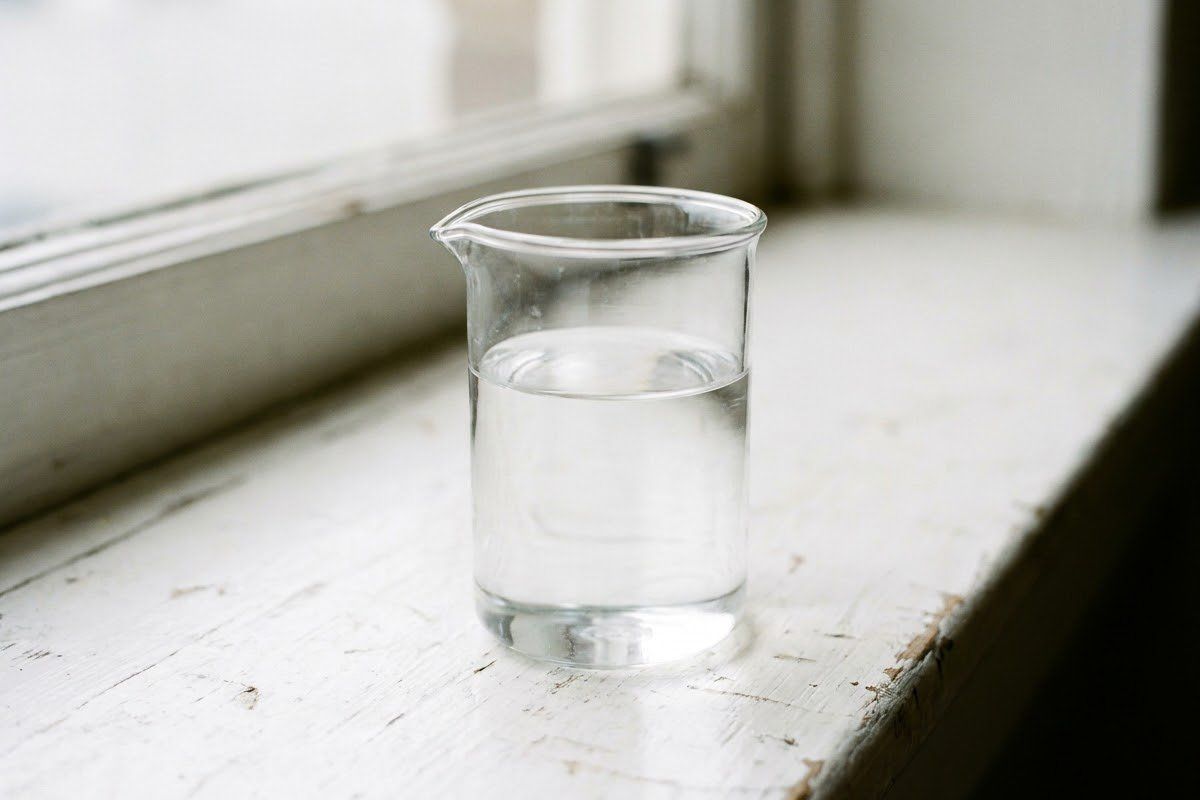
DEF is urea dissolved in water. The industry specification, ISO 22241-1, calls for 32.5 percent urea by weight, which EPA says SCR systems are calibrated to. The remainder is water. One owner's manual describes it as colorless, transparent, odorless and nonpoisonous. Because of the calibration, dilution or substitutes can raise NOx emissions.
Safety first
Keep DEF in its original container and out of reach of children. If it gets in your mouth, the Mazda manual says to wash your mouth with a large amount of water and seek medical attention. Never put DEF in the fuel tank or the fuel in the DEF tank, and see a qualified technician if that happens.
This is part of: What Is DEF (Diesel Exhaust Fluid)? Complete Owner Guide
DEF is made of urea and water, with 32.5 percent urea by weight. That is the industry specification, ISO 22241-1, and the concentration the vehicle’s system expects. This page covers composition only; for what DEF is overall, see what DEF is. The vehicle’s own manual states the specification your engine needs.
What is DEF made of?
DEF is urea in water. EPA cites the ISO 22241-1 quality standard as specifying a 32.5 percent-by-weight urea concentration. The 2020 Mazda CX-5 manual labels its DEF the same way, as an aqueous solution with urea 32.5 percent (AUS32). The balance is water: a Maryland Department of the Environment fact sheet describes DEF as 32.5 percent high purity urea and 67.5 percent deionized water. EPA’s wording for DEF at this concentration is “unadulterated DEF”.
Why does purity matter?
SCR systems are calibrated to the 32.5 percent concentration, EPA says, to ensure optimum NOx reduction. EPA also says using fluids other than the maker’s recommended DEF could contribute to a significant increase in NOx emissions, and that diluting DEF with water is a way an operator could change the quality. That is why the manuals say not to dilute it. Beyond the concentration and the fact sheet’s “high purity” and “deionized water” wording, the sources we opened give no purity figures, so we give none. See what DEF does.
Is DEF safe to handle?
Use the handling notes in your manual. The Mazda manual calls DEF colorless, transparent, odorless and nonpoisonous, but says to keep it from children, not to transfer it to a different container, and to wash your mouth out and seek medical attention if it gets in your mouth. A 2022 Ford F-650/F-750 manual says an ammonia odor may be noticed on opening or refilling and to refill in a well-ventilated area. For storage, see DEF shelf life.
What to check before you trust a container
- Read the label for the specification statement named in your manual, and compare it to the container.
- Look for a sealed cap and an intact seal; set aside any container that looks opened or damaged.
- Note the production or best-before information if the container shows it.
- Keep DEF in its original container, away from other fluids, so it is never mistaken for something else.
Common mistakes: topping up with a home-made solution, diluting DEF with water, and reusing a funnel or jug that held another fluid. If you suspect the wrong fluid went into the DEF tank, stop and ask a qualified technician before driving. If DEF went into the diesel fuel tank, a 2019 Ram 2500/3500/4500/5500 diesel supplement says not to attempt to start the engine.
How is DEF made?
The sources we opened do not describe manufacturing, so we do not. The Maryland fact sheet says only that urea is produced primarily from natural gas and is also used as a fertilizer; we make no claims about how a maker purifies it. If you want that detail, ask a DEF maker or read their published technical documents, not a store listing.
Answers to common questions
Is DEF ammonia?
No source we opened says DEF is ammonia. The 2020 Mazda CX-5 manual describes it as an odorless urea solution, while a 2022 Ford F-650/F-750 manual notes that an ammonia odor may be smelled when the cap is removed or during refill, so refill in a well-ventilated area. The Maryland Department of the Environment fact sheet says that once DEF is injected into the hot exhaust it decomposes to form ammonia and carbon dioxide; we go no further into the chemistry.
Is DEF toxic?
The Mazda manual calls DEF nonpoisonous, but it also says to wash out your mouth with plenty of water and seek medical attention if DEF gets in your mouth, and to keep it away from children. Treat it as a chemical product: use the original container, read the label and follow your manual. We are not a medical source.
Can I use fertilizer urea?
We do not recommend it. EPA says SCR systems are calibrated to 32.5 percent urea DEF and that using fluids other than the manufacturer's recommended DEF could contribute to a significant increase in NOx emissions. Buy DEF that meets your maker's specification. We know of no maker source we opened that approves a substitute.
Can I add water to DEF?
No. A 2022 Ford F-650/F-750 manual says not to dilute DEF with water or any other liquid. EPA explains that diluted DEF lowers the urea concentration below the 32.5 percent the system is calibrated to, and that monitoring can detect poor quality DEF and limit performance. Add only DEF that meets your specification.
What does AUS32 mean?
The 2020 Mazda CX-5 manual labels its DEF as an aqueous urea solution with 32.5 percent urea (AUS32). That is the same concentration as the ISO 22241-1 specification EPA cites. The label on a container may carry that name or the ISO reference; your manual says which specification your vehicle needs.
Sources
- 2019 Ram 2500/3500/4500/5500 6.7L Diesel Supplement: DEFvehicleinfo.mopar.comp. 80
Worth reading next
- What Is DEF (Diesel Exhaust Fluid)? Complete Owner Guide
What diesel exhaust fluid (DEF) is, which diesels use it, the 32.5 percent urea spec, and where to read about freezing, shelf life and buying it.
- Where to Buy DEF: Pump, Jug and Bulk, What to Check
A vendor-neutral guide to buying DEF as pump, jug or bulk: what to check on the label, the ISO 22241 spec, and how to fill safely. No brands or prices.
- DEF Shelf Life: How Long It Lasts and How to Store It
How long DEF lasts depends on the maker and storage. See what Ford and Mazda manuals say about temperature, sunlight, a two-year limit and containers.
- Does DEF Freeze? Temperature, Thawing and Winter Use
DEF freezes at about 12 F (-11 C). Learn what Ford, Ram and Mazda manuals say about heated tanks, frozen DEF, overfilling and winter storage.
- What Does DEF Do? How SCR Cuts Diesel NOx
What DEF does in a diesel: it is injected into the exhaust of an SCR system to control nitrogen oxide, why dosing matters and what low DEF means.