Cold-Weather Diesel Guides
Category
Cold weather makes a diesel harder to start and can thicken its fuel. These guides cover engine block heaters, safe cords, fuel gelling and a start sequence, with every figure tied to your manual or fuel supplier. When a start fails repeatedly, stop and ask a qualified technician.
Begin with how to start a diesel in cold weather, then read the engine block heater guide and the diesel block heater guide. For cord guidance, see block heater cord safety. For fuel, read about diesel fuel gelling and try the cold-weather diesel guide tool.
Never use open flame or starting sprays your manual does not allow. If the plug-in lead is damaged, stop using it.
Articles in Cold-Weather Diesel Guides
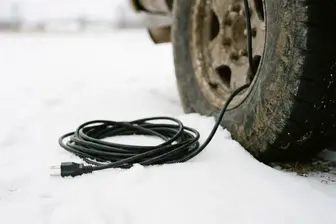
Block Heater Cords and Extension Cords: Safe Use
Block heater cord and extension cord checklist from owner's manuals and OSHA: grounded three-wire cords, GFCI outlets, damage signs, and when to stop.
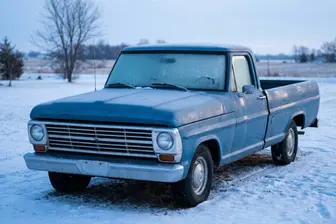
How to Start a Diesel in Cold Weather
Start a diesel in the cold the way the manual says: wait-to-start lamp, cranking limits, battery, block heater, fuel, and why starting fluid is a no.
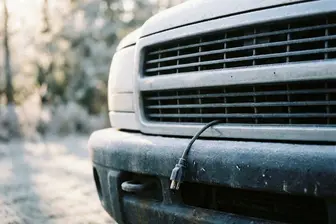
Diesel Engine Block Heater: Trucks, Tractors and Generators
How a block heater helps a diesel truck, tractor or generator start in the cold, what two Ram manuals say about plug-in time, and why your manual rules.

Diesel Fuel Gelling: Temperatures, Signs and Basics
What diesel fuel gelling is, how cloud point and pour point differ, why no single temperature applies, and what makers and DOE sources say on winter fuel.
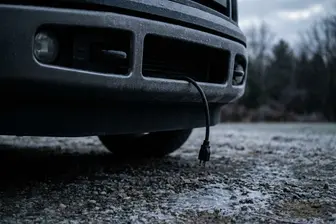
Engine Block Heaters: How They Work and When to Use One
What an engine block heater is, how it warms coolant for easier cold starts, and how to check your manual for when to plug in and which cord to use.